Episode summary
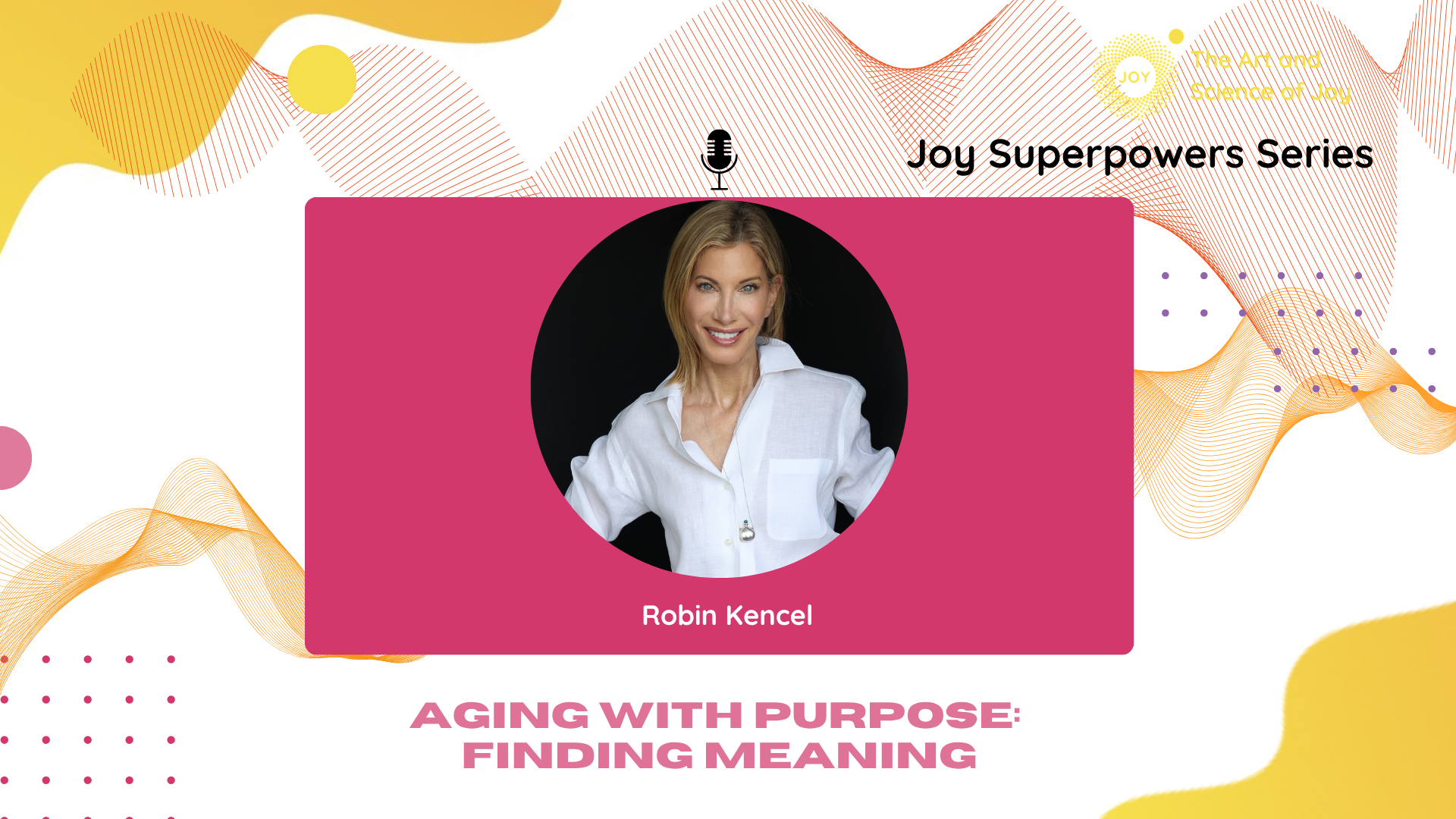
What does it mean to live with purpose as we grow older and our circumstances change? In this episode of the Joy Superpowers series, Andrew speaks with Robin Kencel about purpose, aging, spirituality, mindset, and making meaningful use of the time we have. Robin explains why changes such as retirement, children leaving home, loss, divorce, or changing relationships can prompt deeper questions about who we are beyond our roles and achievements. Together, Andrew and Robin explore how curiosity, reflection, service, and attention to what brings us deep joy can help us discover and live our purpose through different seasons of life.
About Robin
Robin Kencel holds a certificate in spiritual direction in the Ignatian tradition from Fairfield University and a BA in philosophy from Georgetown University. Through her spiritual ministry, Sacred Space, she works with individuals and groups through spiritual direction and contemplative practices. Robin was crowned Miss Connecticut Senior America 2025 and has used her platform to encourage women to find greater purpose, peace and joy. She is also a lifelong dancer and high-level competitive ballroom dancer.
In this episode
Robin begins by asking some fundamental questions about purpose: What were you made for? Why are you here? And who are you inside, beyond your résumé?
She explains why these questions can become particularly important later in life, when familiar roles and circumstances begin to change through retirement, children leaving home, divorce, bereavement, or other transitions.
Robin describes purpose as the central point toward which our values, beliefs, choices and use of time should ultimately lead. She reflects on the importance of noticing whether how we actually spend our time aligns with what we say matters most.
The conversation explores Robin’s spiritual journey and the Ignatian Examen, a daily reflective practice that helps her notice moments of grace, review her choices and consider how she wants to live differently the next day.
Andrew and Robin discuss the power of pausing and resetting rather than simply falling into habitual reactions. Robin also shares how improvisational acting has helped her become more open and responsive in everyday life.
Robin explains how her own purpose, rooted in her relationship with God, provides a foundation for joy even when life itself is difficult.
She also reflects on the importance of slowing down and savoring ordinary experiences rather than always searching for something profound.
For people unsure of their purpose, Robin suggests looking back to childhood and noticing the activities and experiences that brought a sense of joy, meaning or connection to something larger than themselves.
The conversation also explores purpose through changing relationships and circumstances. Robin argues that whether someone is single, married, divorced or widowed matters less than what they choose to do with the life in front of them.
Robin shares how an open and curious mindset helped transform the final eight weeks of her mother’s life into a deeply meaningful period together.
Finally, Robin offers three practical starting points for exploring purpose: spend a little time in quiet each day, regularly do something for someone beyond yourself, and identify the things that bring you a deep sense of joy and meaning.
Key takeaways
Purpose asks us to look beyond our roles and achievements toward who we are and what matters most.
Changing circumstances can create an opportunity to rediscover purpose rather than simply a loss of what came before.
How we spend our time can reveal whether our everyday lives are aligned with our deepest values.
Childhood interests and experiences of deep joy can offer clues about what gives our lives meaning.
Purpose does not depend on a particular age, relationship status, career or set of circumstances.
Quiet, reflection and service to others can create space for purpose to become clearer.
Memorable lines
“What were you made for?”
“What am I being invited into?”
“It’s not the words. It’s the experience.”
“I dance with the body that I have.”
“I can do what I want to do. I just have to do it differently.”